PD-L1 upregulation
Activates the cGAS–STING/IRF3 pathway, transcriptionally upregulating PD-L1. Validated in vitro and in two syngeneic in vivo models in combination with atezolizumab.

Isosceles is developing IPI201, a synthetic small-molecule immunotherapy adjuvant designed to expand the reach of checkpoint inhibitors like Keytruda into the patients they currently leave behind.
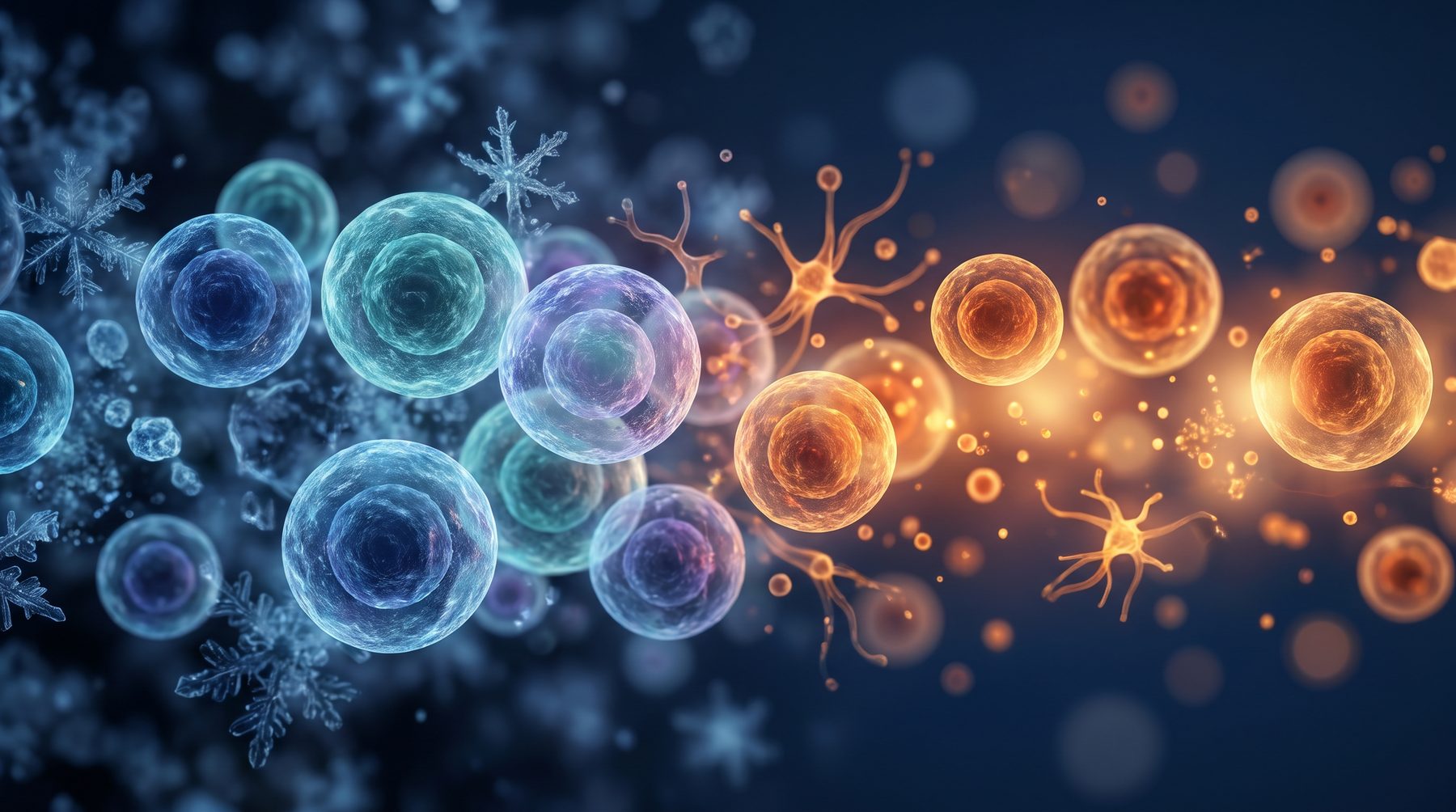
Low PD-L1 expression. Excluded from or unresponsive to checkpoint inhibitors. The majority of solid tumors today.
Upregulated PD-L1, repolarized macrophages, restored anti-tumor immunity, sensitive to checkpoint therapy.
PD-1 inhibitors like Keytruda generate objective responses in only 15–30% of patients across most solid tumors. The majority remain "cold" non-responders, representing the largest unmet need in modern oncology. IPI201 doesn't compete with checkpoint inhibitors. It expands them.
IPI201 activates a coordinated set of innate-immunity, anti-inflammatory, and tissue-perfusion mechanisms, simultaneously priming the tumor microenvironment to respond to checkpoint and cellular immunotherapies.
Activates the cGAS–STING/IRF3 pathway, transcriptionally upregulating PD-L1. Validated in vitro and in two syngeneic in vivo models in combination with atezolizumab.
Shifts tumor-associated macrophages toward an anti-inflammatory M2 phenotype via A2A adenosine and CB2 receptor signaling, dampening the inflammatory drivers of immune exclusion.
Reduces TNF-α, reactive oxygen species, and broader inflammatory mediators, restoring anti-tumor immune infiltration so checkpoint therapy can take hold.
Regulates blood flow to enhance reperfusion following hypoxic injury via GPR18, GPR55, and 5-HT1A receptor activation, relevant to traumatic brain injury and ischemia-related indications.
"A 50% objective response rate in PD-1 refractory triple-negative breast cancer. Direct evidence that checkpoint resistance is convertible in humans."
Cromolyn study, Nature Medicine, June 2025, plus a parallel 50% ORR result in Phase II trial NCT05076682 with camrelizumabThese independent results, combined with Isosceles' proprietary preclinical data, establish the rationale for the IPI201 development program. That data includes a 625% increase in cancer-cell killing when IPI201 is combined with NK cells, and the discovery that IPI201 is only the third known molecule (alongside IL-2 and IL-15) sufficient to sustain NK cell survival in vitro.
IPI201 is our lead clinical candidate, a patented synthetic resorcinyl isoprenyl benzene derivative formulated for intravenous administration and currently in Phase I clinical studies. IPI301, a dissolving microneedle patch, extends the same molecule into a rapid intradermal delivery platform for adjacent indications.
We work with checkpoint inhibitor manufacturers, cellular immunotherapy partners, and clinical research organizations to bring IPI201 from the lab into patients.