Immune activation
Engages the cGAS–STING/IRF3 innate-immunity pathway to upregulate PD-L1 and recruit anti-tumor immune infiltrates into previously cold tumors.

About Isosceles
Isosceles Pharmaceuticals develops synthetic small-molecule adjuvants that prime the tumor microenvironment for response to checkpoint inhibitors, NK cell therapies, and cellular immunotherapies, targeting the patients today's medicines were never designed to reach.
Checkpoint inhibitors transformed oncology, but only for a fraction of patients. Across most solid tumors, 70–85% of patients have "cold" disease: low or absent PD-L1 expression, suppressive immune microenvironments, and limited response to even the most effective immunotherapies. They are excluded from the medicines that have come to define modern cancer care.
Isosceles is built around a single hypothesis: if cold tumors can be made hot, the same checkpoint inhibitors that already work for some patients can work for many more. IPI201 is the realization of that hypothesis.
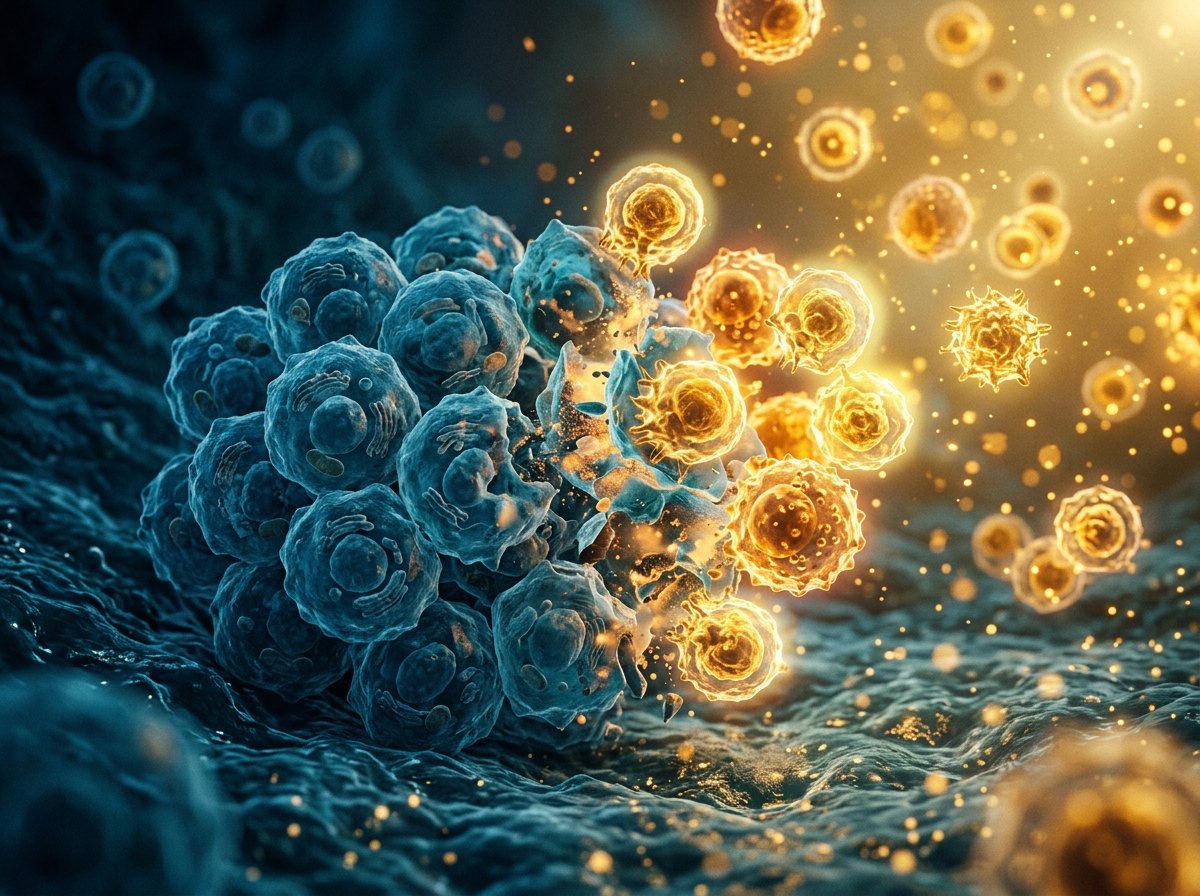
IPI201 is a proprietary, IV-formulated synthetic small molecule with a multi-pathway mechanism. It is designed to act on innate immunity, anti-inflammatory signaling, and tissue perfusion simultaneously, converting the immunological state of a tumor rather than targeting any single receptor.
Engages the cGAS–STING/IRF3 innate-immunity pathway to upregulate PD-L1 and recruit anti-tumor immune infiltrates into previously cold tumors.
Reduces TNF-α, ROS, and inflammatory mediators while repolarizing tumor-associated macrophages, releasing the brakes on adaptive immunity.
Improves tissue perfusion through GPR18, GPR55, and 5-HT1A receptor activation, enabling drug delivery and oxygen supply to the tumor core, with adjacent applications in TBI and ischemic injury.
Two independent clinical results in the last 18 months, a Cromolyn study published in Nature Medicine in June 2025 and the Phase II camrelizumab study (NCT05076682), have each shown a 50% objective response rate in PD-1 refractory triple-negative breast cancer. They are independent confirmations that checkpoint resistance is a reversible biology, not a fixed property of the tumor.
IPI201 was designed for exactly this moment. Our preclinical data, including a 71% gene-expression remodeling of the tumor microenvironment in colorectal tumor mouse models when combined with anti-PD-1, and a 625% amplification of NK-mediated cancer-cell killing, places IPI201 at the front of a new generation of immune-priming adjuvants.
Phase I development is being conducted in collaboration with experienced oncology-focused clinical partners. Our cellular immunotherapy collaboration with CytoImmune generated the foundational NK-cell potentiation data underpinning IPI201's expanded use case.